Once you’ve identified what you’re storing and who needs access, consider the features that will make the locker system more functional.
Depending on the application, locker systems can be configured with features such as:


Choosing the right locker system involves more than deciding how many lockers you need. The best solution depends on what you’re storing, who needs access, the level of security required, and how the system needs to fit within your facility.
From day-use lockers for employees and visitors to high-security storage for weapons, evidence, and specialized equipment, locker systems can be tailored to a wide range of applications.
If you’re evaluating locker systems for your facility, start with these five questions.
What you’re storing is one of the first things to consider when selecting a locker system. For everyday personal belongings, day-use lockers can provide convenient and protected storage for employees, students, and visitors. Depending on the application, they can be configured with different locking options and layouts.
For public safety personnel, secure personal storage lockers can be designed to accommodate uniforms, boots, equipment, and other gear. Interior accessories such as shelves, drawers, hooks, and boot trays can help organize equipment.
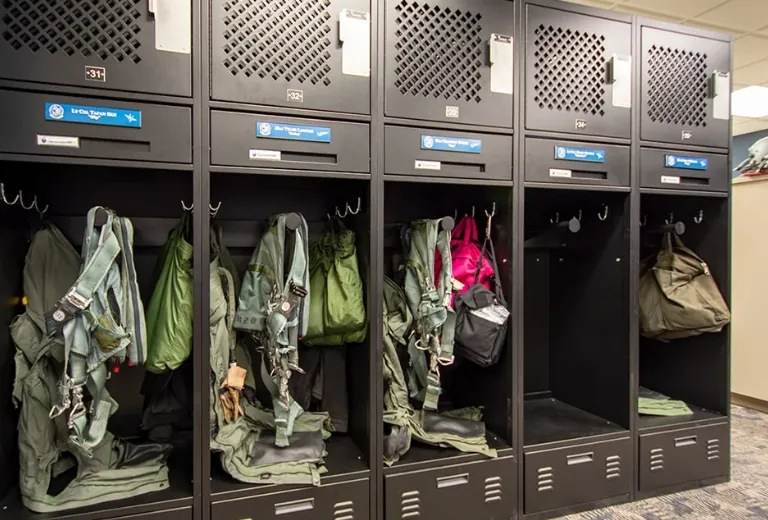
For facilities storing firearms, weapons storage and gun lockers provide a dedicated solution designed around the security requirements of weapons storage.
For evidence and specimens, evidence storage lockers and cabinets provide designated storage that can be configured to support different evidence-handling requirements.
Before choosing a locker, consider:
Understanding what needs to go inside the locker will help determine the appropriate size, configuration, and type of system.
The people using the lockers and how they access them will also influence your choice.
Some facilities need shared or temporary storage, while others require assigned lockers for individual employees or staff members. Public-facing environments may prioritize simple, convenient access, while facilities handling sensitive materials may require more controlled access.
Consider how frequently the lockers will be accessed and who should be able to open them.

Depending on the application, locking options may include:
The appropriate locker system should provide a balance between security and accessibility for the people using it.
Once you’ve identified what you’re storing and who needs access, consider the features that will make the locker system more functional.
Depending on the application, locker systems can be configured with features such as:
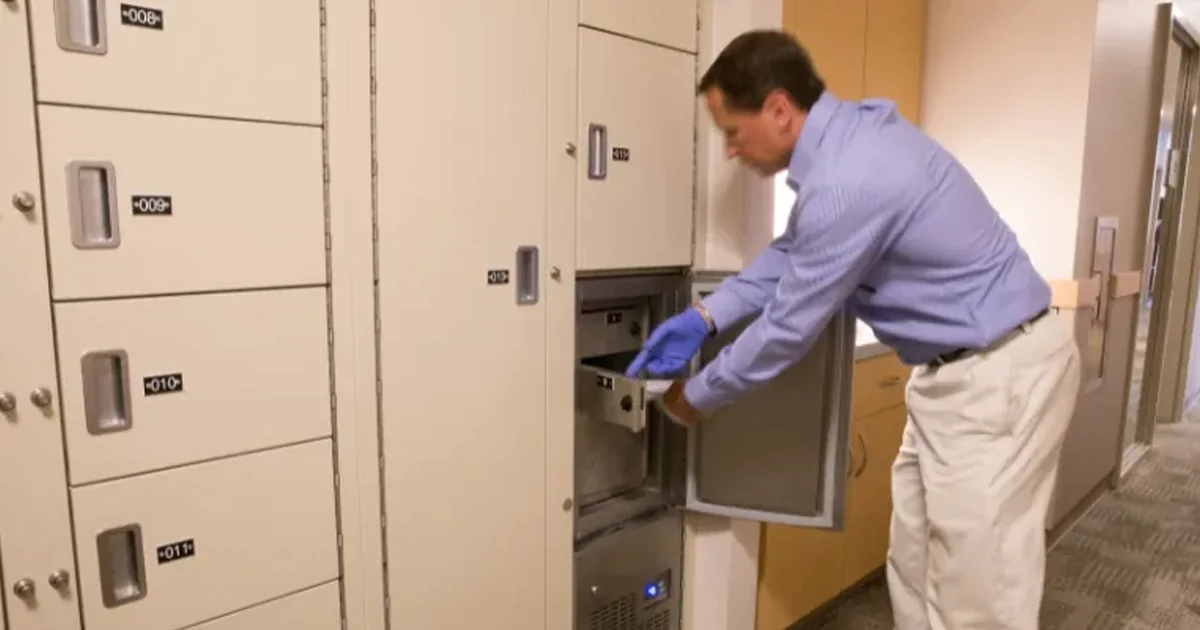
A locker system needs to work within the physical space available, while still allowing users to move comfortably through the area.
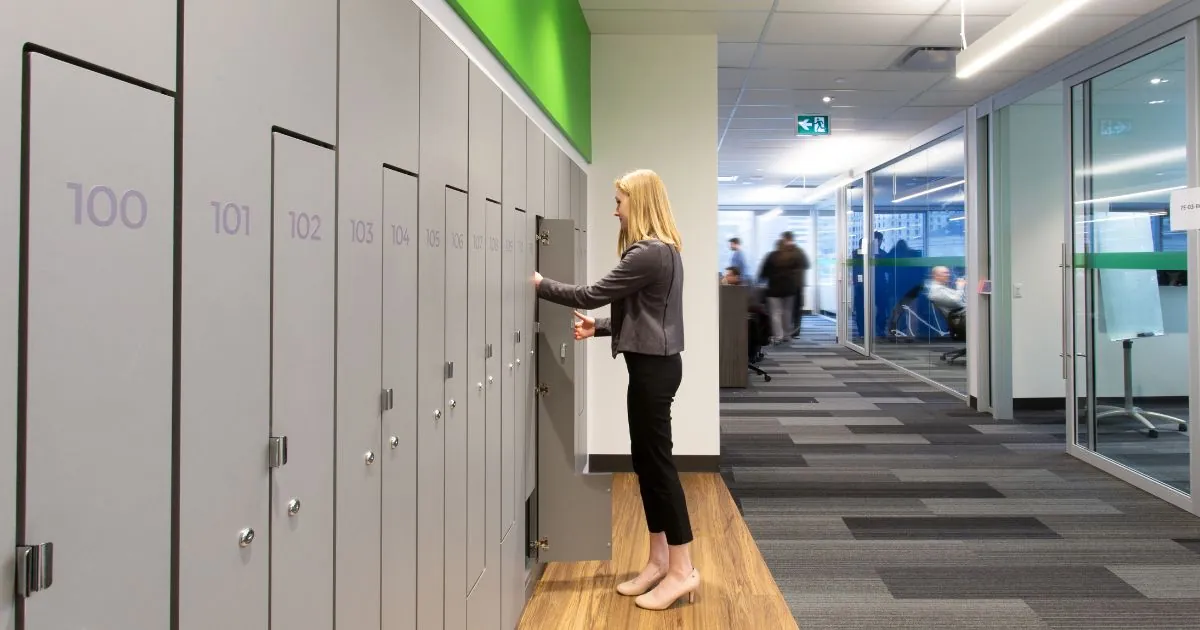
Start by considering the space where the lockers will be installed, including:
The layout is especially important in high-traffic environments such as workplaces, schools, public safety facilities, and recreation spaces.
It’s also worth considering whether the locker system needs to integrate with other storage solutions. A well-planned system can make better use of available space while keeping frequently used items organized and accessible.
Your facility’s storage requirements may not stay the same.
Staff numbers can grow, equipment requirements can change, and spaces may eventually be repurposed. Choosing a locker system with flexibility in mind can make it easier to adapt as your needs evolve.
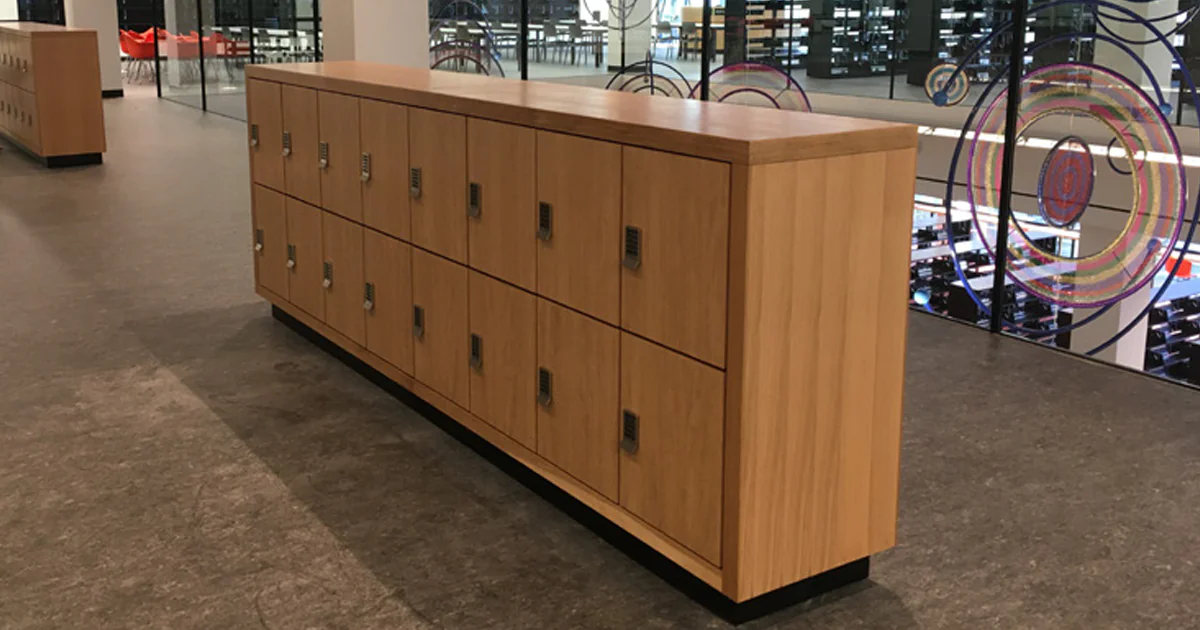
When evaluating your options, consider whether the system can accommodate:
Planning ahead can help you avoid replacing an entire locker system simply because your storage requirements have changed.
Once you’ve considered what you’re storing, access needs, features, space, and future plans, you can begin narrowing down the best solution.
| Your Storage Needs | Locker System to Consider |
|---|---|
| Personal belongings and everyday items | Day Use Lockers |
| Uniforms, boots, and duty equipment | Personal Storage Lockers |
| Firearms and weapons | Weapons Storage & Gun Cabinets |
| Evidence and specimens | Evidence Storage Lockers & Cabinets |
The appropriate locker system should be designed around your facility, users, and application, rather than simply selecting a standard locker based on size or appearance.
Hi-Cube Storage Products offers a range of locker systems designed for different storage, security, and organizational requirements. Whether you need day-use lockers for personal belongings or security storage lockers for specialized equipment, our team can help you determine the ideal solution for your facility.
We’ll consider your available space, storage requirements, security needs, and flexibility to help develop a locker system that works for your application.
Not sure which locker system or features are right for your facility? Contact Hi-Cube to discuss your requirements.
When choosing a locker system, consider what you’re storing, who needs access, the level of security required, available space, desired features, and whether your storage needs may change over time.
Day-use lockers provide convenient, protected storage for employee, student, and visitor personal belongings. They can be configured with different sizes, layouts, and locking options to suit the application.
Secure personal storage lockers can be configured to accommodate uniforms, boots, protective equipment, and other gear. Features such as shelves, drawers, hooks, and boot trays can help keep equipment organized.
Depending on the application, locker systems can be equipped with keyed locks, combination locks, keypad locks, RFID access, and other access-control options.
Yes. Locker systems can be configured with different sizes, layouts, accessories, and specialized features to accommodate your storage requirements, available space, and security needs.